
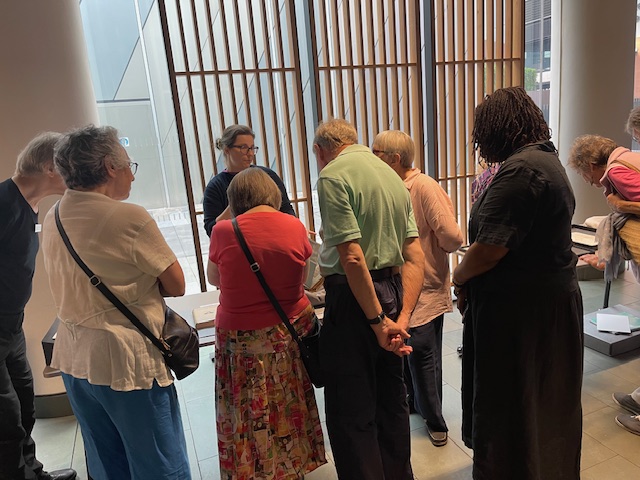
The third session of Faith in the Arts at the John Rylands Library was a captivating dive into the world of storytelling through archives, focusing on personal and collective narratives found in Bibles, and Methodist and Non-Conformist records. Led by an expert panel, including Tereza Ward, Curator of Christian Brethren Printed and Archive Collections, Paul Carlyle, Curator of Non-Conformist Printed and Archive Collections, and Angela Petyt-Whittaker, Reader Services Team, the session illuminated how archives shape both individual memory and broader historical perspectives.
Personal Stories with a Wider Impact
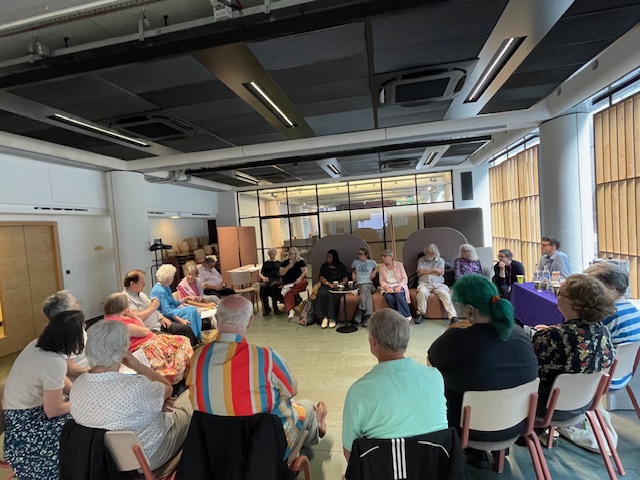
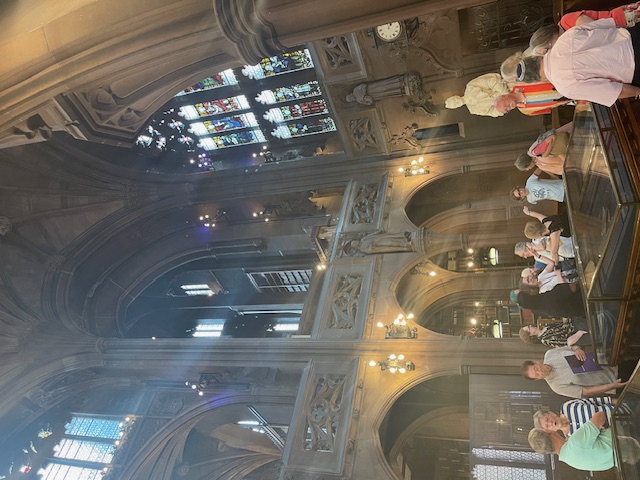
The session began with warm introductions and familiar faces alongside new attendees. From there, we were led into the exhibition space, where we were introduced to fascinating items from the Fletcher Collection which is part of the largest single collection held at the John Rylands Library.
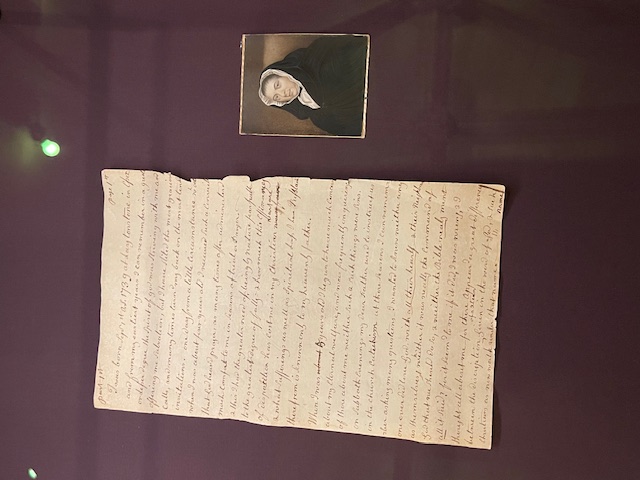
We were told the story of Mary Fletcher, a privileged woman from London who became one of the first female Methodist preachers. Despite the 1803 Methodist Conference’s ban on women preachers, Mary defied the rules and continued her work, even influencing John Wesley himself. Her vivid accounts, including a written notebook detailing her life, religious journey, and philanthropy, provided an intimate view into the power of faith-driven activism.
Deepening the Connection Between Faith and Identity
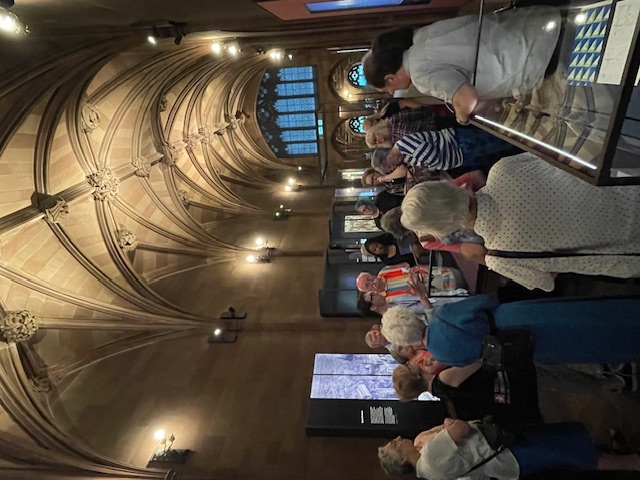
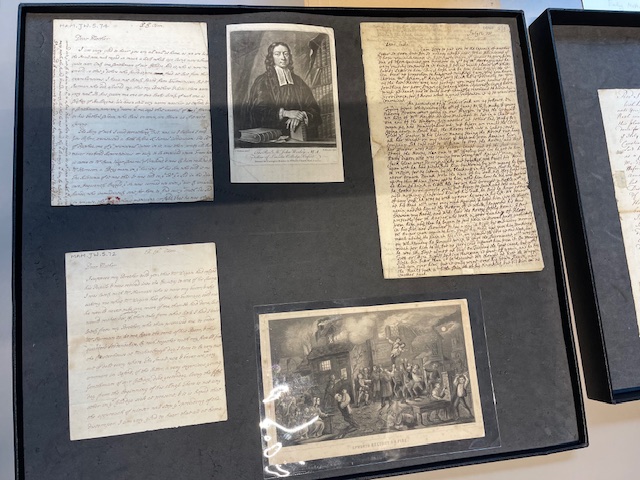
For those who had not yet attended previous sessions, the group was taken back to the Reading and Bible Rooms before heading back down to explore the rich history of Methodism and non-conformity come to life by looking at original materials such as correspondence between Charles Wesley and his mother, as well as a hymn book featuring Charles Wesley’s original handwritten hymn. Angela’s introduction of the Wesley family papers brought even deeper context, including a letter from Sally Wesley to her brother, revealing personal moments from their family life alongside their wider religious work.
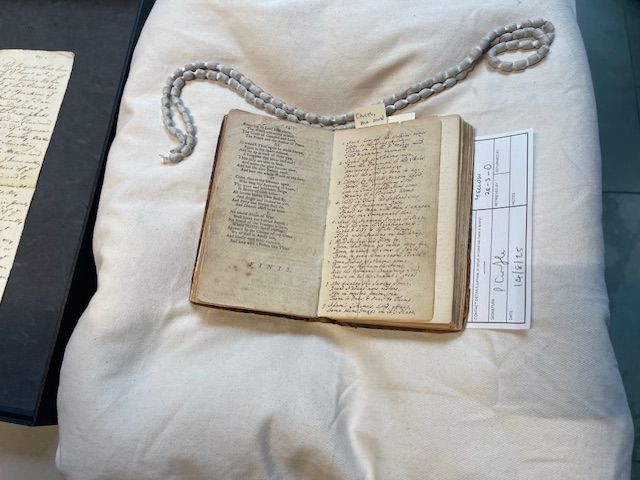
The session also highlighted how faith and personal identity were intertwined in ways that shaped broader societal narratives. A particular highlight was the examination of a rare letter from Catherine Gilbert in 1740, thanking Charles Wesley for the profound impact his ministry had on her life. This item underscored the deep and personal connections that faith could create, not just between individuals and God, but between people from all walks of life.
Global Stories from the Christian Brethren Archives
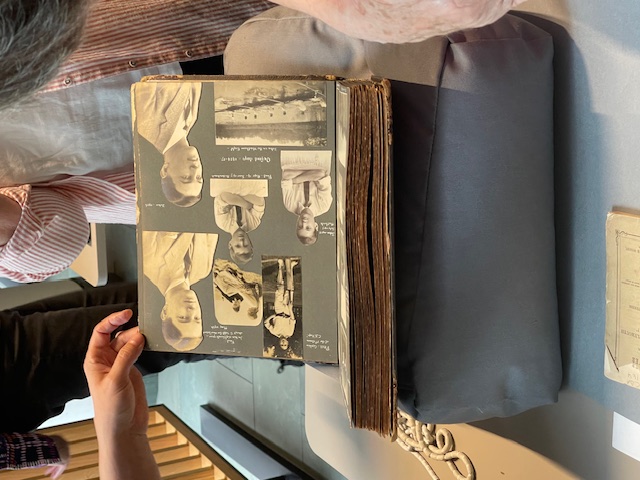
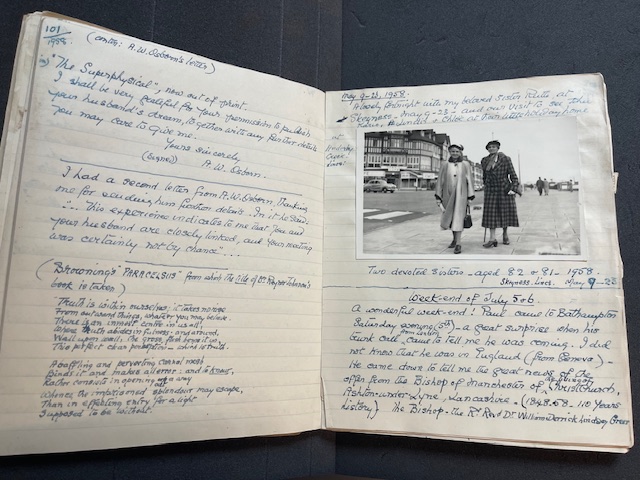
Tereza shared rare glimpses into the Grattan Guinness Archive, a small but significant collection within the Christian Brethren Archive. Among the treasures was the diary of Grace Guinness, who documented a remarkable five-year honeymoon around the world. Grace, who married Henry Guinness (a missionary from the well-known Guinness family), travelled across continents visiting Bible colleges and meeting missionaries. Her journals span more than 30 years, providing an invaluable perspective on the intersection of faith, adventure, and dedication to missionary work.
A Touch of Mystery and Craftsmanship
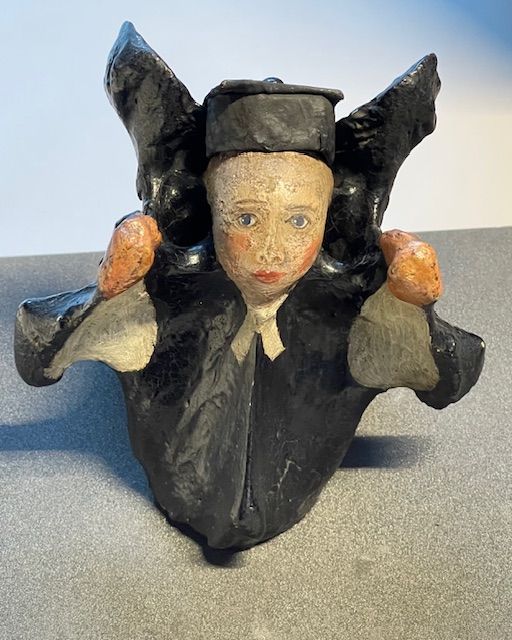
Paul introduced a unique item: a sculpture of John Wesley made from a horse’s neck bone. The origins of the sculpture remain mysterious, and while its creator and purpose are unknown, it likely dates back to the late 18th or early 19th century. This artifact provided an intriguing look at how objects connected to religious figures can be reimagined through art, adding layers of meaning to the historical record.
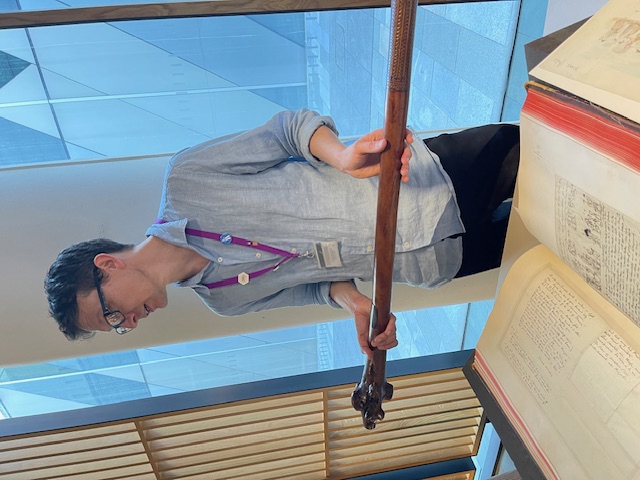
We were also shown a Fijian Vunikau club, which arrived in Manchester in 1977. It was gifted to the Church by a prominent minister from New Zealand who had travelled to Fiji. The club was likely crafted from a single tree and carefully preserved. Its top section is made from the root, while the lower part features intricate carvings. This type of object may have been used either ceremonially or as a weapon.
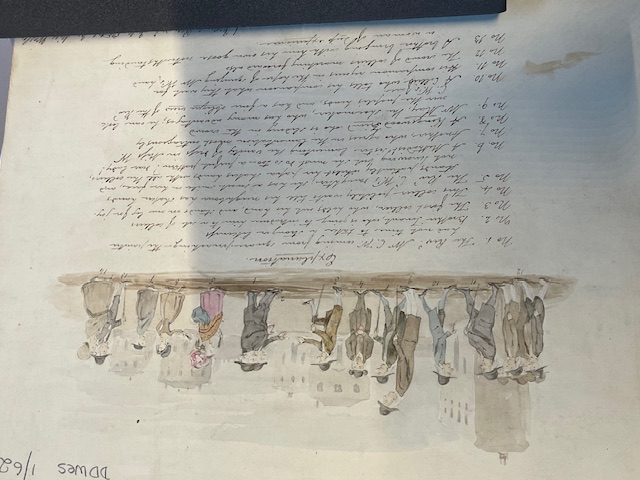
There were also additional items on display including an illustration in watercolour, although it is unclear who created it or why but this a copy.
A Thank You!
A huge thank you to Tereza, Paul and Angela for their insightful and engaging presentations and Gemma for organising the session. Their expertise, passion, and dedication to the materials they work with truly brought these stories to life and provided a deeper understanding of the intersection between faith, storytelling, and identity.
To view more images from the Brethren collection, click here. and To view more images from the Methodist collection, click here.
Don’t Miss the Final Session!
Be sure not to miss the final session, where we will delve into the role of commentaries in Islamic and Jewish traditions. Discover how curators tackle the challenges of translation and context to make complex theological texts accessible, while preserving their rich meaning. Join us for a chance to view sacred texts as living sources of identity, dialogue, and meaning across cultures and faiths.
The session is free and open to all, but advanced registration is required. Book your place via: https://FaithInTheArts2025.eventbrite.co.uk