On June 30th, we launched our Faith in the Arts programme in partnership with the John Rylands Library, beginning with a fascinating session exploring the library’s unique collection, which is centered around sacred texts. This first session offered participants an introduction to the library's rich holdings, examining the role of collections in libraries, their purpose, function, and significance, and how they can be accessed.
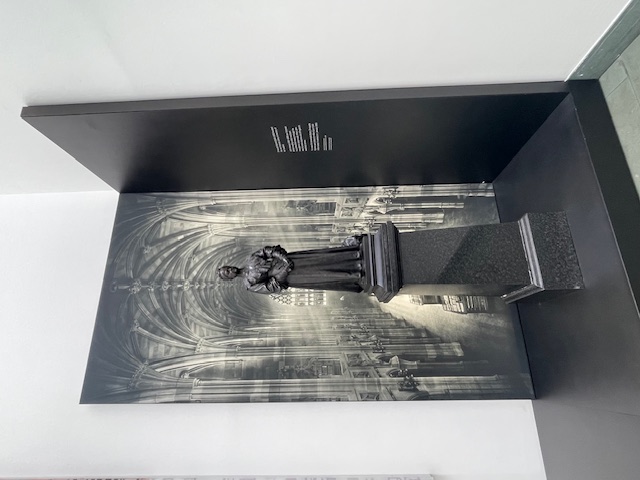
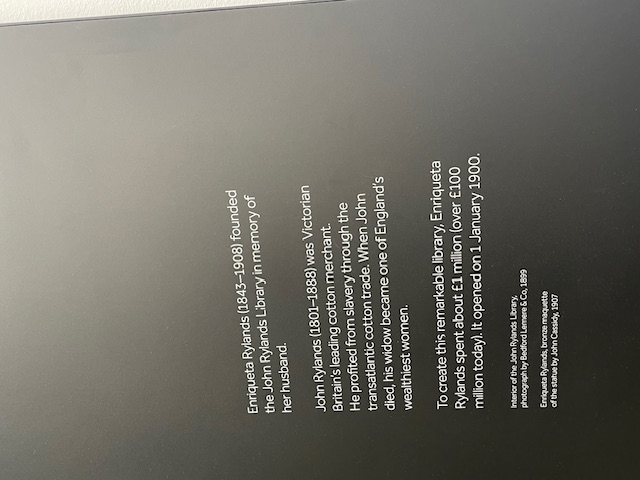
Upon arrival, we were warmly greeted by the library team Gemma Henderson, Jane Gallagher and Elizabeth Gow, who made everyone feel at ease as they introduced themselves and everyone introduced themselves. In attendance were some regulars who have been attending the Faith Tours over the last year, old friends and some new faces. The session began with a brief overview of Enriqueta Rylands, whose story is central to the library's history. Enriqueta was initially a "companion" to Martha, the second wife of John Rylands, a role typically given to young women without independent income. After Martha's death, Enriqueta married John Rylands, and their legacy would be forever linked through the library.
John Rylands was a Nonconformist, and after his passing, Enriqueta established the library to commemorate him and promote the study of Christian theology, particularly nonconformist traditions. It took Enriqueta ten years to collect the items that would form the core of the library’s collection, the building, opened in 1900. Although originally founded with a focus on theology, the John Rylands Library has since evolved into a secular institution, housing a diverse range of collections beyond religious texts.
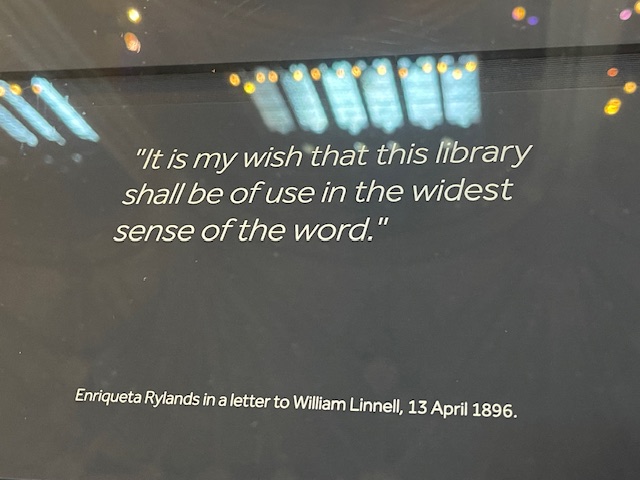
English MS 95 From Greenland’s Icy Mountains. Enriqueta’s early acquisitions included an original manuscript of a hymn written by Reginald Heber about missionary work in distant lands. The Book of Esther, scroll which was among her prized possessions, has been carefully conserved recently, the digital version can be viewed here. Her commitment to building an extraordinary collection turned the library into a specialist resource for the people of Manchester. Enriqueta was passionate about making the library accessible to the public, often writing letters about her collecting process and her desire to leave a lasting legacy for Manchester's people, not just researchers. While there was some debate about whether the library’s purpose was primarily for local citizens or scholars, Enriqueta was firm in her belief that it should serve the wider community.
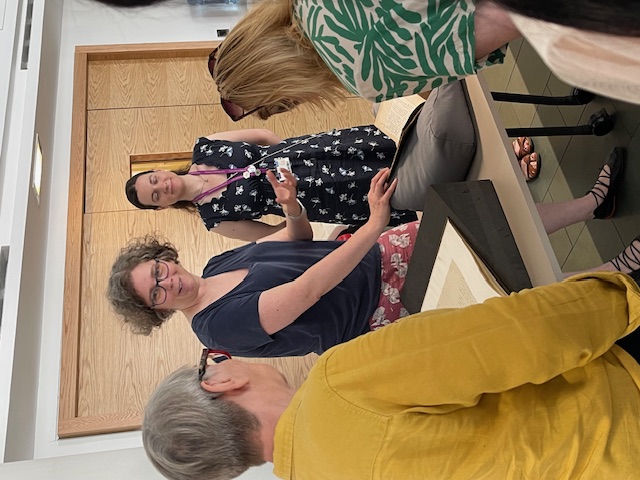
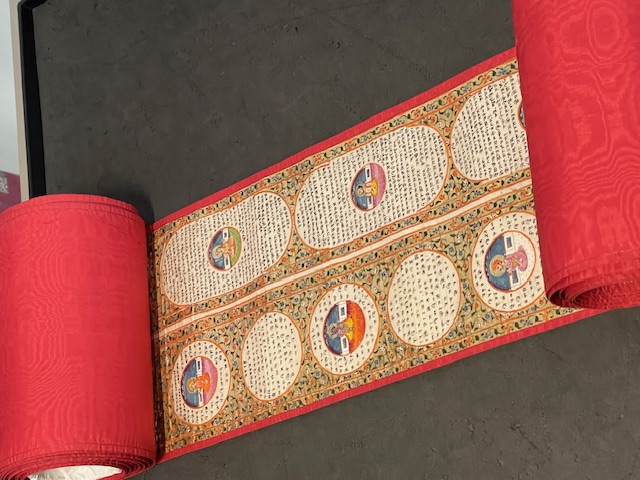
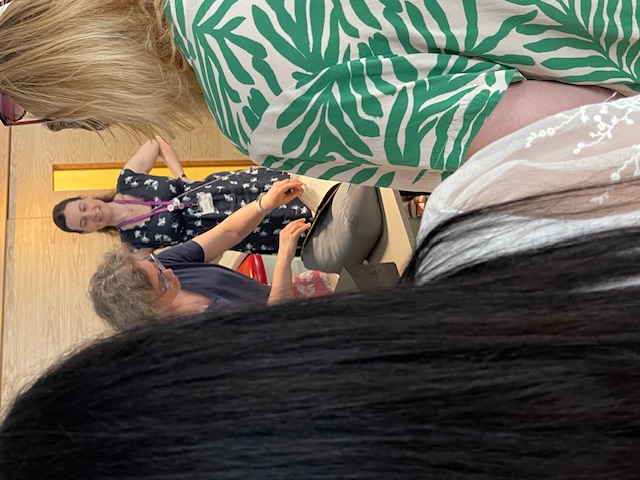
During the tour, we were also shown an 1840 Bible marked with the initials "JER," indicating both John and Enriqueta’s involvement with the book. The Bible’s annotations were thought to have been made by Enriqueta, offering a glimpse into her personal thoughts and education. Some scholars suggest the Bible originally belonged to John, and Enriqueta may have added her own notes later. These marks of both their names are found across the building, symbolizing their intertwined legacy.
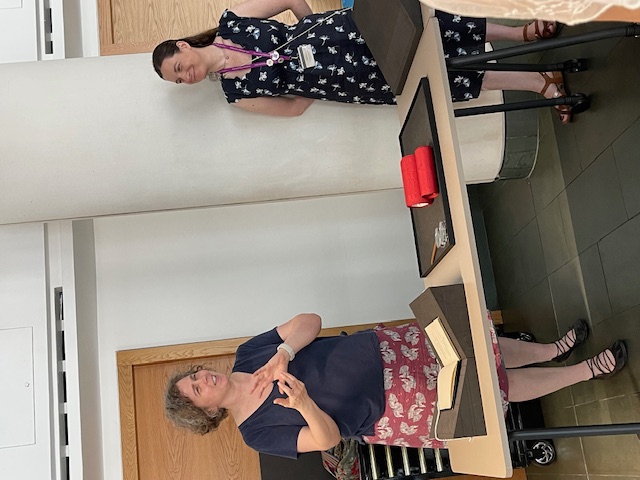
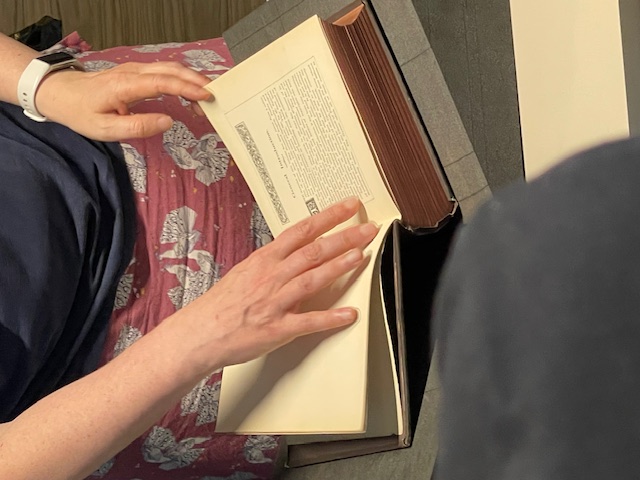
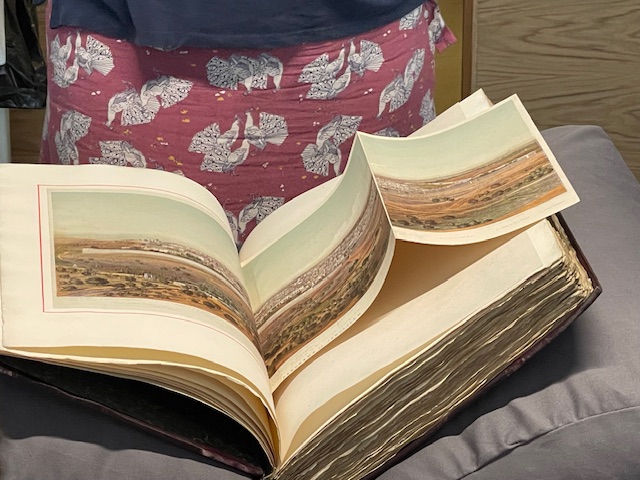
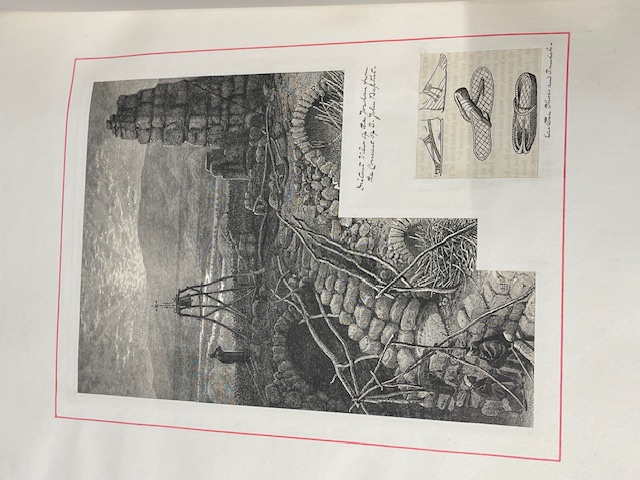
Among the other remarkable items we were shown was a book of hymns, which included a composition by Anne Brontë, highlighting the connection between faith, literature, and art. There was also a recreated book illustrating the life of Jesus, with sections incorporating Anglican texts, further demonstrating Enriqueta's efforts to blend Christian teachings with artistic representation. A large map of Jerusalem, featuring illustrations from Catholic Bibles and art, was another fascinating piece, reflecting Enriqueta's commitment to preserving and showcasing religious history. It’s believed that she may have commissioned someone to create this work, providing the images herself.
It is also important to acknowledge the controversial origins of the Rylands' fortune. John Rylands was Victorian Britain's leading cotton merchant, and he profited significantly from slavery through the transatlantic cotton trade. His wealth was built on the exploitation of enslaved people working in plantations in the Americas. When John passed away, his widow, Enriqueta, became one of England's wealthiest women. To create the remarkable John Rylands Library, Enriqueta spent around £1 million (over £100 million today). This complex history is not overlooked and is openly addressed through interpretation in the library, which reminds visitors of the darker side of the Rylands family's legacy, and the role slavery played in their fortune.
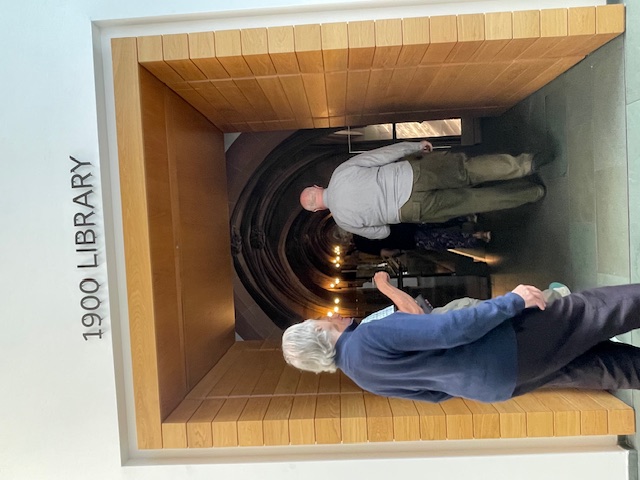
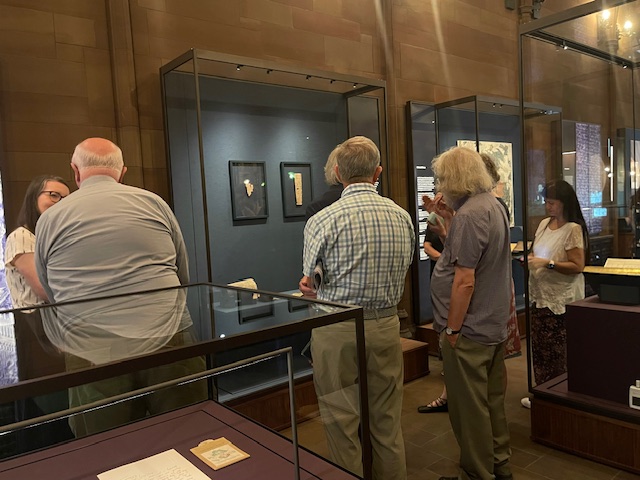
We were then led into the exhibition space, where materials are displayed for six months at a time to ensure preservation. Items are rotated regularly, though the thematic focus remains the same. The current exhibition will be updated in November, so there’s always something new to discover.
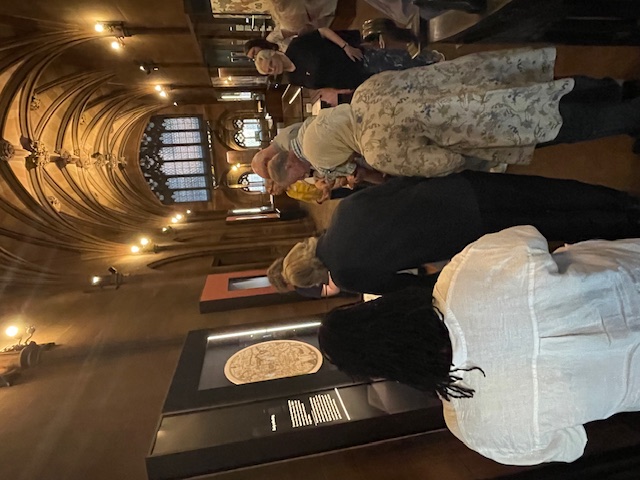
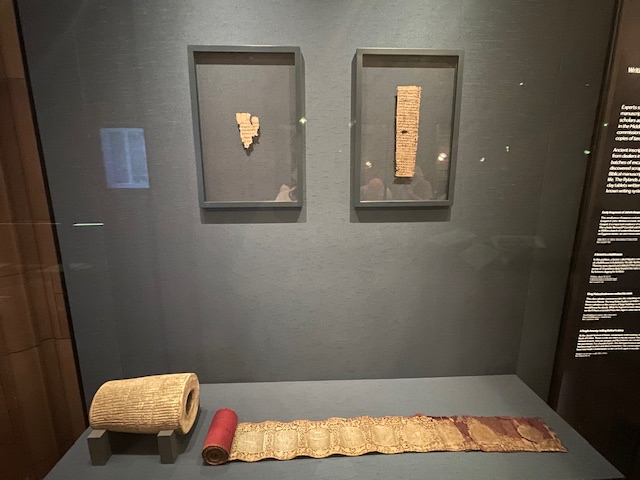
Here, we saw parts of the astounding collection from the 26th Earl of Crawford, which Enriqueta Rylands purchased in 1901. His father had envisioned creating a library that documented the world’s beliefs, arts, and histories. The collection contained thousands of manuscripts in over 50 languages, as well as East Asian books and maps printed from woodblocks. However, it’s important to recognize the darker side of how this collection came into their possession. The Crawfords typically acquired items through European book dealers and agents, many of whom obtained manuscripts through colonial channels. Some of these manuscripts were brought to Europe by colonial administrators, soldiers, and missionaries, often under duress or by force. Indigenous people were also coerced into selling their manuscripts to collectors, contributing to the colonial exploitation that tainted much of the collection’s origins.
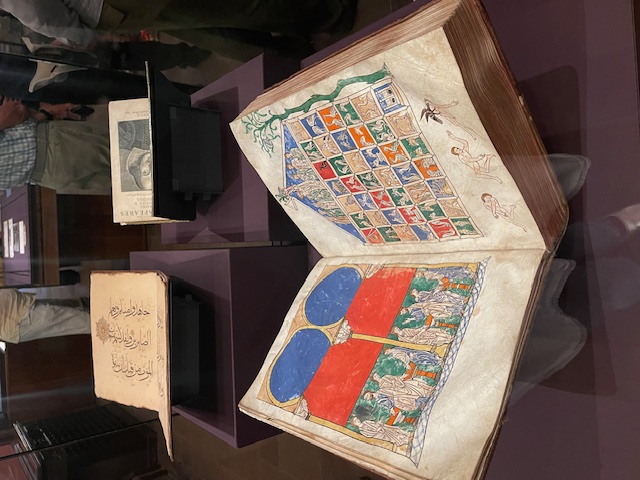
We also saw The Rylands Beatus, this Bible commentary is named after the Spanish monk who wrote it in 776 CE. Medieval artists illustrated the text with scenes from the Book of Revelations. This depiction of Noah's ark, in cross-section, is an unusual extra, Noah, reaching for the olive branch, is surrounded by his family. Animals in neat compartments fill the lower decks.
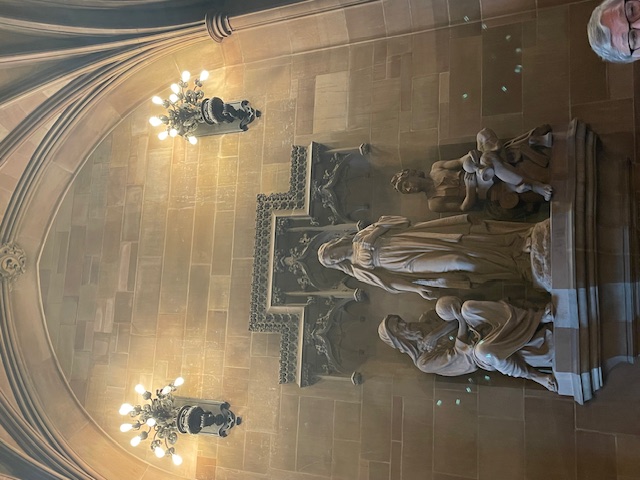
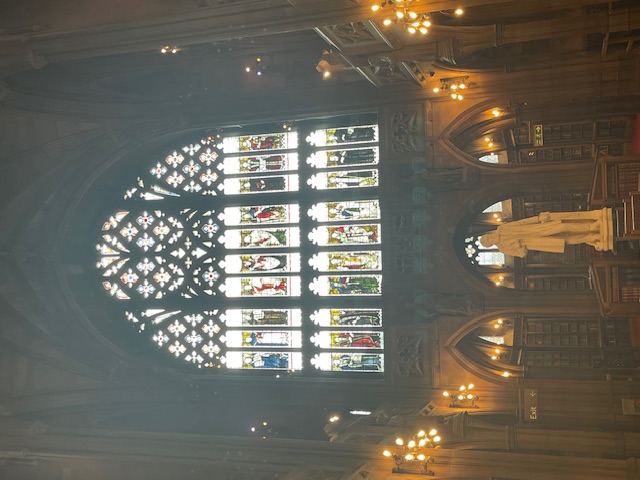
The neo-Gothic architecture style of the building was a highlight to many of the tour. Insight was also provided to Enriqueta's commission of Manchester based sculptor John Cassidy to create a portrait that symbolizes the intersection of theology, science, and art. Portraits of notable figures like Wycliffe, Tyndale, Shakespeare, Herodotus, Milton, Bacon and others are also displayed throughout the building, reinforcing these themes of intellectual and spiritual exploration.
The final stop on our tour was the Bible Room containing a selection of rare bibles, including Latin editions from 1510, some of which were missionary translations that were so rare and dangerous that possessing them could lead to execution. These bibles are a testament to the historical significance of the collection and the lengths to which Enriqueta went to preserve these precious texts.
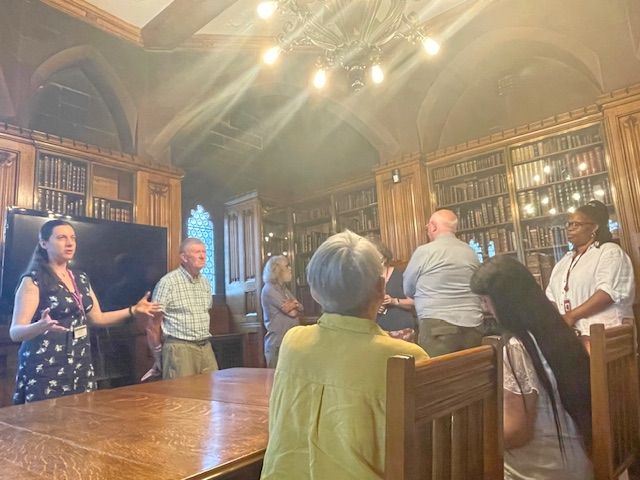
The first visit to the John Rylands Library was a great success, with attendees providing glowing feedback. Many participants remarked that it was their first time visiting the library, either because they didn’t know about it or had thought it wasn’t accessible to the public. The session ended later than planned, a testament to the deep interest and engagement of the group, who were both captivated by the building’s architecture and its incredible collections.
We would like to express our gratitude to the fantastic library staff who made everyone feel so welcome and shared their wealth of knowledge with us. We encourage everyone to join us for the next tour and experience the fascinating history and stories the John Rylands Library hold firsthand. Reflected in Enriqueta’s statement in a letter to William Linnell on the 13 April 1896 "It is my wish that this library shall be of use in the widest sense of the word." The next session promises to offer even more insights into this cultural treasure, so don’t miss out!